Cut Logs
Bucked trunks and large limbs ready for the mill.
Cut Logs
Carolina urban lumber covers everything recovered from removed city trees in the Carolinas and the wider Southeast: live-edge slabs, dimensional boards, flooring and trim stock, turning blanks, and firewood from the offcuts. Services around it include tree removal, log hauling, custom milling, kiln drying and finishing. This directory of urban wood products and services is a reference map, not a store: it explains categories so you can find and verify local providers yourself.
The categories below are the backbone of urban lumber anywhere in the region. Each links to the same groups you see in the sidebar.
Bucked trunks and large limbs ready for the mill.
Cut Logs
Dried boards and slabs graded for furniture and building.
Milled Lumber
Figure and color that set urban boards apart.
Species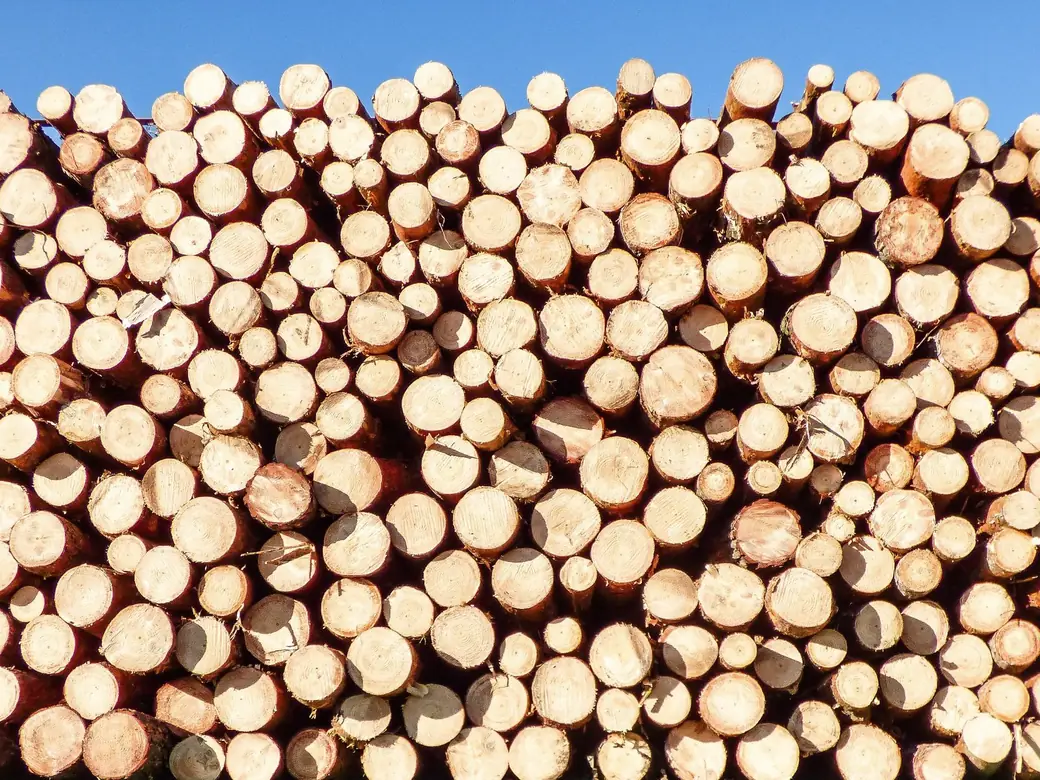
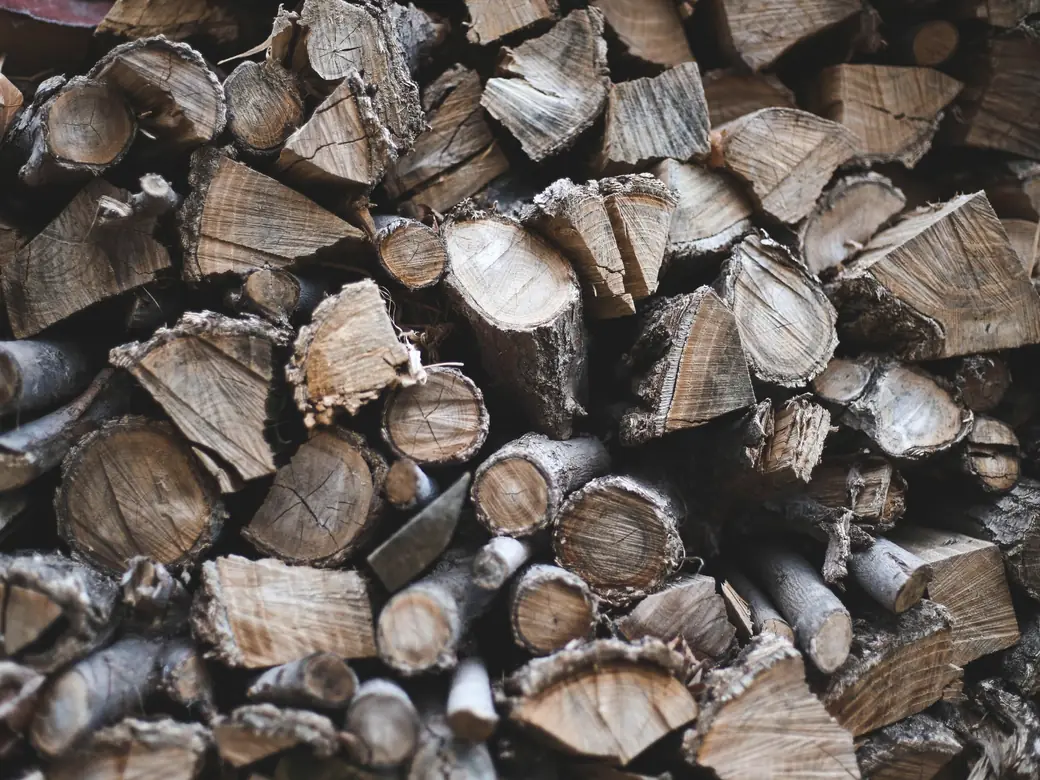
Lower grade wood for heat and mulch.
Firewood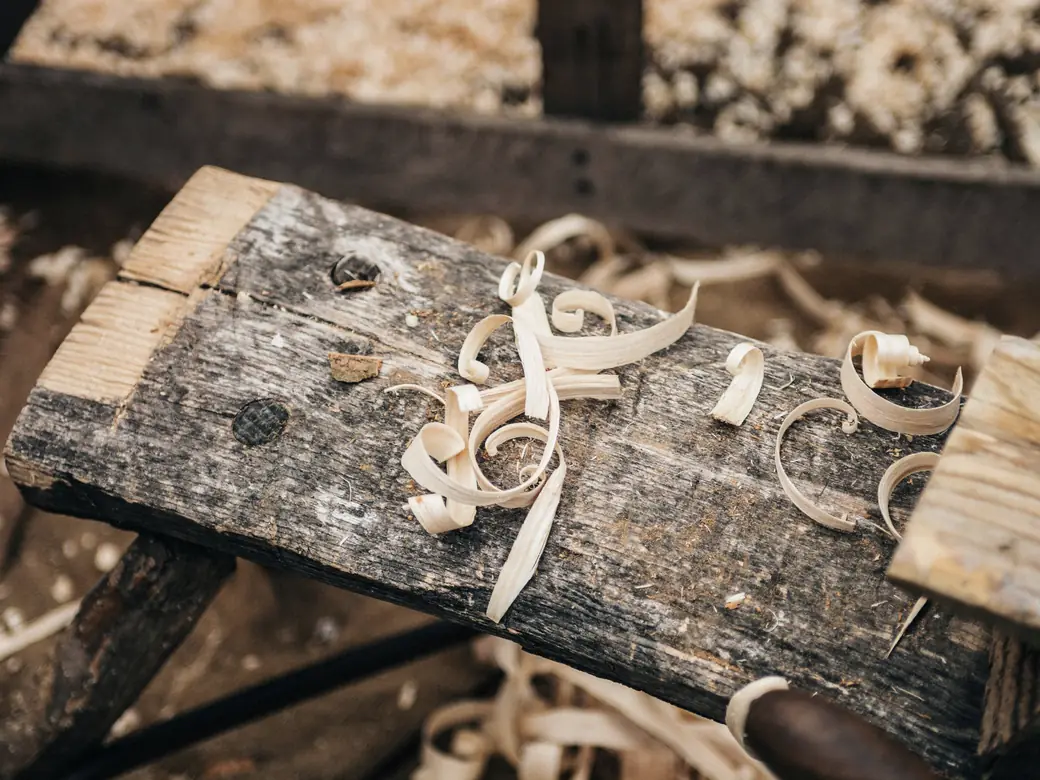
Sawing and drying that make wood usable.
Processing
Equipment and classes for working urban wood.
WorkshopsEvents connected to Carolina urban lumber follow the same seasonal pattern seen across the Southeast: sawmill open houses and fresh-cut sales in the warmer months, craft shows in the fall, and indoor workshops in winter. We describe event types rather than list specific dates, because real schedules change and should be confirmed with each organizer. See the events section on our home page for the four main categories to watch for.
Pick boards by project, not just by looks. Match species to the job: dense hardwoods like oak for hard-wearing furniture, softer woods for lighter indoor pieces. Check moisture content before building, inspect for cracks and old metal, and buy a little extra to allow for character and defects. A good local sawyer will tell you how a board was dried and how it is likely to move.
Most urban lumber changes hands through small, local operators: tree services with a mill, independent sawyers, and community or makerspace shops. We do not publish third-party names, prices or contact details, and we are not affiliated with any supplier. Instead, use your state forestry directory and regional urban wood network to find vetted mills near you, then confirm the details directly. Because supply depends on which trees came down nearby and how recently, it pays to ask several sawyers and to be flexible about species and dimensions.